
Breaking News
Categories
  • Agama
  • Android
  • Appsheet
  • Computer
  • CSV
  • Digitalisasi
  • EBR
  • ERP
  • Gadgets
  • GxP Regulation
  • Health
  • Herbal
  • Inspirations
  • ISLAM
  • ISO Standard
  • Kesehatan
  • Lifestyle
  • LIMS
  • Microsoft Access
  • Reviews
  • Technology
  • Trends
  • Uncategorized
  • Mahkota Dewa (pronounced “Mah-koh-toh Deh-wah”)-Phaleria macrocarpa

    Apr 07 202563 Dilihat

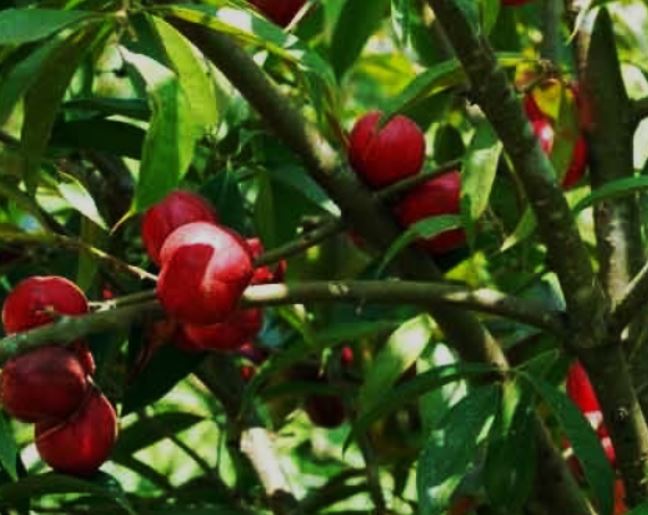
    Mahkota Dewa (pronounced “Mah-koh-toh Deh-wah”), scientifically known as Phaleria macrocarpa, is a native Indonesian plant, particularly found in Papua. It’s also known by other names like God’s Crown or Tree of Life, alluding to its traditional medicinal uses. The plant is an evergreen tree that can grow up to 18 meters tall, characterized by its dense foliage, greenish-brown bark, and white wood. A distinctive feature is its round fruits, which ripen from green to a bright red and grow all over the tree, including the trunk and branches.

    Important Note: While the fruit might look appealing, it should not be consumed raw as it contains toxic compounds like saponins and alkaloids that can cause dizziness and other adverse effects. The seeds are particularly toxic and can numb the tongue.

    Traditional Uses and Potential Health Benefits:

    Mahkota Dewa has been traditionally used in Indonesian and Papua New Guinean folk medicine for centuries to treat a wide range of ailments. Different parts of the plant, including the fruit, leaves, stems, and even the seed shells (with extreme caution due to toxicity), have been utilized. Some of the reported traditional uses and potential health benefits, supported by some scientific studies, include:

    • Antidiabetic Potential: Some studies suggest that compounds in Mahkota Dewa may help improve blood glucose control and insulin sensitivity. The saponin content is claimed to function like insulin.
    • Anti-Gout Properties: The polyphenols in Mahkota Dewa are believed to help inhibit uric acid production in the body.
    • Immune System Enhancement: The saponin content is also thought to contribute to maintaining a healthy immune system.
    • Cholesterol Reduction: Flavonoids present in Mahkota Dewa may help lower bad cholesterol levels.
    • Cough Relief: Its anti-inflammatory, antibacterial, and antiviral properties are thought to help soothe the respiratory tract and fight infections causing coughs.
    • Blood Pressure Management and Heart Health: Flavonoids may also help lower high blood pressure and prevent damage to blood vessel walls.
    • Anticancer Potential: Mahkota Dewa contains various antioxidants, including flavonoids, which are believed to help prevent cell damage and inhibit cancer growth. Some studies have shown cytotoxic activity against certain cancer cell lines.
    • Anti-inflammatory and Antioxidant Effects: Studies have indicated that extracts of Phaleria macrocarpa possess significant antioxidant and anti-inflammatory properties.
    • Other Traditional Uses: Traditionally, it has also been used for conditions like allergies, tumors, impotence, liver and heart diseases, skin problems, and more.

    How Mahkota Dewa is Used:

    Due to the toxicity of the raw fruit, Mahkota Dewa needs to be processed before consumption. Common methods include:

    1. Tea from Dried Fruit: The most common method is to slice the fruit thinly, remove the seeds (which are highly toxic), and then dry the slices completely. A few dried slices are then boiled in water to make a tea. This tea is usually consumed warm.
    2. Decoction of the Stem Bark: The outer bark of the stem can also be dried and then boiled in water to make a medicinal drink.
    3. Combined with Other Herbs: Mahkota Dewa is sometimes used in combination with other medicinal plants to treat specific conditions.

    Important Considerations and Potential Side Effects:

    • Toxicity: As mentioned, the raw fruit and especially the seeds are toxic and should never be consumed directly. Ingestion can lead to symptoms like a numb tongue, swollen lips, dizziness, and even unconsciousness.
    • Processing is Crucial: Proper processing, especially removing the seeds and drying the fruit, is essential for safe consumption.
    • Dosage: There is no established safe dosage for Mahkota Dewa. It’s crucial to start with very small amounts and observe for any adverse reactions.
    • Individual Reactions: Some individuals may be more sensitive to Mahkota Dewa than others.
    • Pregnancy and Breastfeeding: It is generally advised to avoid Mahkota Dewa during pregnancy and breastfeeding due to the lack of safety data.
    • Interaction with Medications: Mahkota Dewa may interact with certain medications. It’s crucial to consult a healthcare professional before using it, especially if you are taking any prescription drugs.
    • Limited Scientific Evidence: While some studies show promising results, more rigorous clinical trials are needed to confirm the efficacy and safety of Mahkota Dewa for various health conditions.

    Conclusion:

    Mahkota Dewa holds a significant place in traditional Indonesian medicine and has shown potential health benefits in preliminary studies. However, due to its inherent toxicity and the need for proper processing, it should be used with extreme caution. It is always best to consult with a qualified healthcare practitioner or herbalist before using Mahkota Dewa for any health purpose, especially if you have underlying health conditions or are taking other medications. They can provide guidance on safe preparation and usage.

    Share to

    Related News

    Buah Nanas (Ananas comosus)

    by Apr 19 2025

    Nanas (nama ilmiah: Ananas comosus) adalah buah tropis yang populer dan mudah dikenali karena bentuk...

    Buah Mengkudu (Morinda citrifolia)

    by Apr 10 2025

    Manfaat Buah Mengkudu untuk Kesehatan Meskipun memiliki rasa dan aroma yang kurang menarik bagi seba...

    Bawang Putih

    by Apr 10 2025

    Jenis-Jenis Bawang Putih yang Umum: Manfaat Umum Bawang Putih untuk Kesehatan: Secara umum, bawang p...
    Pepaya

    by Apr 07 2025

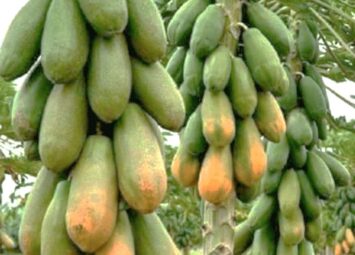
    Pepaya adalah buah tropis yang kaya nutrisi dan menawarkan berbagai manfaat untuk kesehatan. Berikut...

    Sambiloto (Andrographis paniculata) berk...

    by Apr 04 2025

    Sambiloto, dengan nama latin Andrographis paniculata, adalah tanaman herbal yang sangat pahit rasany...

    Jahe ( Zingiber officinale )

    by Apr 03 2025

    Jahe ( Zingiber officinale ) adalah tanaman rimpang yang telah lama digunakan dalam pengobatan tradi...

    No comments yet.

    Please write your comment.

    Your email will not be published. Fields marked with an asterisk (*) must be filled.

    *

    *

    Recent Comments

    No comments to show.

    Other News

    Mahkota Dewa (pronounced “Mah-koh-toh Deh...


    Mahkota Dewa (pronounced “Mah-koh-toh Deh-wah”), scientifically known as Phaleria macrocarpa, is a native Indonesian plant, particul...
    07 Apr 2025

    Pepaya


    Pepaya adalah buah tropis yang kaya nutrisi dan menawarkan berbagai manfaat untuk kesehatan. Berikut adalah beberapa fungsi utama pepaya bagi ke...

    07 Apr 2025

    Power Up: Advanced Charging Solutions and Batte...


    Smart Homes: Beyond Automation to AnticipationIf 2023 could be summarized in the gadget space, it would be the year where our homes started trul...

    07 Feb 2024

    Space Tech: The Latest Innovations Propelling U...


    As the timeline of technology perpetually accelerates, 2023 emerges as a testament to human creativity and ingenuity. The realm of gadgets is no...

    07 Feb 2024

    Overview dan Demo Aplikasi Laboratorium Klinik ...


    Demo berikut merupakan tutorial pembuantan aplikasi Laboratorium Klinik Sederhana dengan menggunakan microsoft Access. Pada video ini di tampilk...

    21 Mar 2025
    back to top